
Language, Silence, and Treason
Wolf HallThis thread traces how words, evasions, and silence acquire political force as the crown expands its definition of treason.
increasing Bearing strength in each event
 decreasing
Bearing strength in each eventdecreasingThe Safety of Half-Light
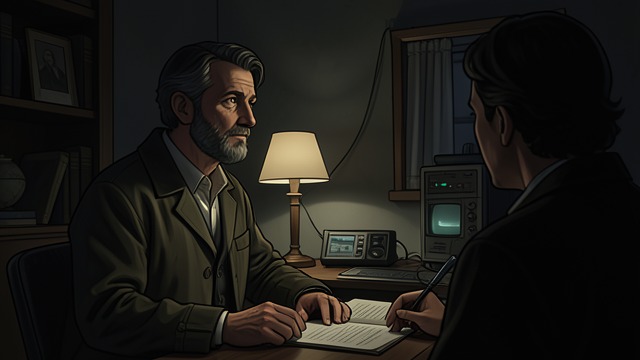
Speaking Without Saying
Information as power
Cromwell gathers gossip, listens across languages, and knows that people’s fears often fill gaps left by incomplete facts. Concealment protects sources and creates room to maneuver.
A fragile practice
The same opacity that protects Cromwell can make allies distrust him. In an increasingly surveilled court, even silence may be interpreted as evidence.
Silence Before More’s Oath
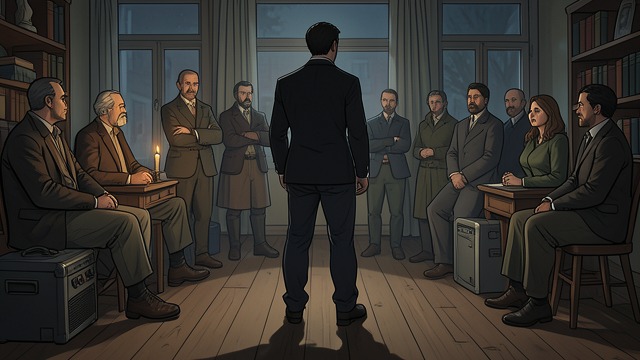
Refusal Without Reasons
More’s strategy
More refuses the royal oath but avoids spelling out the exact grounds. He hopes silence will keep him outside the law’s reach while preserving his conscience.
Cromwell’s frustration
Cromwell sees the silence as a political act that can embolden opponents. Their dispute becomes a struggle over whether words, omissions, or intentions can prove disloyalty.
Words Become Treason
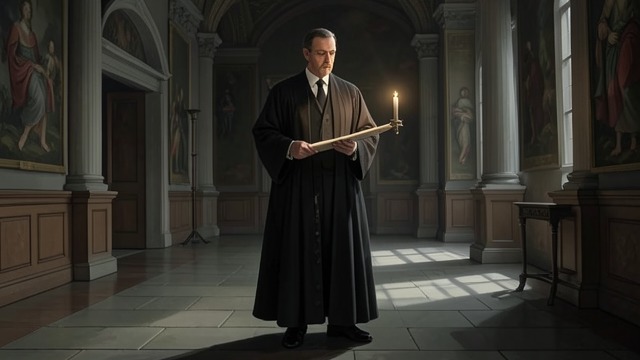
A Broader Statute
The new definition
The Treason Act makes malicious denial of the king’s titles or jurisdiction punishable. Speech and writing become potential grounds for prosecution.
A kingdom under interpretation
Cromwell argues that the law clarifies existing principles, while opponents fear it criminalizes disagreement. The state’s power increasingly depends on deciding what words mean.
1531–1533
1534
1534–1535
